
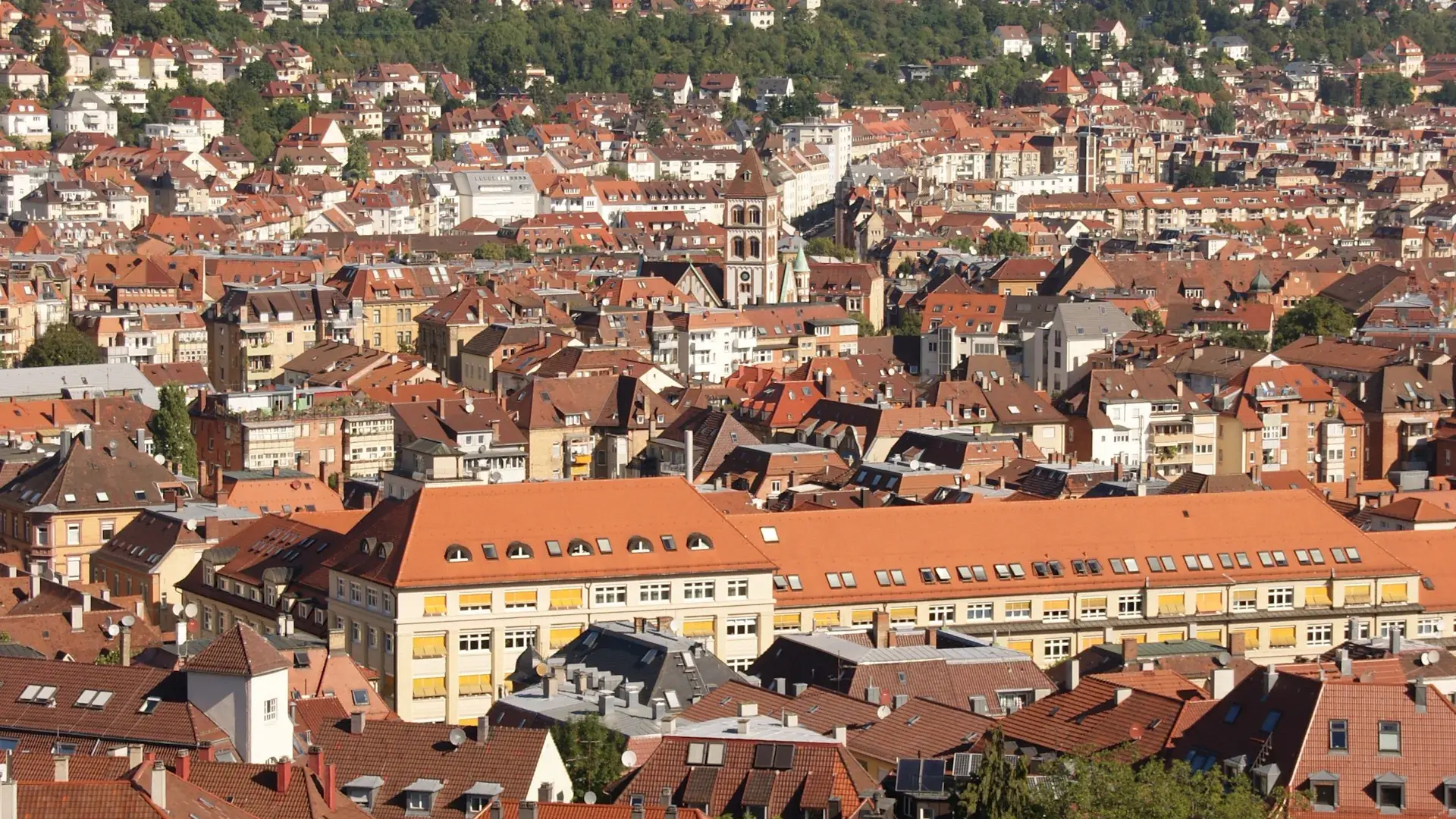
Stuttgart city officials are moving forward with plans that could remove brothels and other adult businesses from the city center, triggering strong resistance from operators who say their businesses are legally protected and cannot simply be shut down.
The conflict centers on the Leonhardsviertel, a historic inner-city neighborhood that has served as Stuttgart’s main area for legal prostitution for decades. Around 15 brothels and similar establishments currently operate there. Under a new zoning plan approved by the city council at the end of 2024, such businesses would no longer be allowed in the district.

City Wants a New Direction for the Neighborhood
City leaders say the goal is to redevelop the Leonhardsviertel into a lively entertainment district with bars, cafés, restaurants, and cultural venues.
According to city officials, removing the red-light trade would improve the image of the area and make it more attractive to residents and visitors.
The district’s central location plays a key role in the debate. It sits close to Stuttgart’s city hall, state parliament, ministries, and major cultural institutions.
City representatives argue that the current red-light reputation no longer fits with how they want the city center to develop.
Brothel Owners Reject the Plan
Brothel operators strongly oppose the city’s proposal. Several owners argue that their businesses have been operating continuously since the early 1970s and are therefore protected under German law. They say new zoning rules cannot be applied to businesses that already existed long before the changes were introduced.
One prominent operator stated that the city could only remove existing brothels by buying them out at market prices. Such a move could cost Stuttgart tens of millions of euros, a figure that city officials have not publicly challenged but also have not embraced as realistic.
The city’s position is complicated by its own past actions. For many years, Stuttgart tolerated the operation of certain brothels even though their legal status was never fully clarified. Long-running legal disputes were paused without a final ruling, allowing businesses to continue operating.
Critics say this history of inaction weakens the city’s current argument and could create serious problems if the issue ends up in court.
Warnings From Police and Social Workers
Not all experts support shutting down the red-light district. Police officers and social workers have warned that prostitution will not disappear if brothels are closed. Instead, they fear it will move into private apartments or illegal locations, making it harder to monitor and potentially more dangerous for sex workers.
From their perspective, a centralized and regulated area allows authorities to maintain better oversight, improve safety, and respond more effectively to problems.
City officials have also pointed to noise complaints and late-night disturbances as part of their justification. Some local leaders say activity linked to the red-light district causes problems for nearby residents and businesses.
Brothel operators deny these claims and argue that other nightlife venues, such as bars and clubs, create similar or even greater noise levels. The debate has increasingly become about which types of nightlife the city chooses to support in the future.
Courts Likely to Decide the Outcome
With neither side willing to back down, the future of the Leonhardsviertel remains uncertain. If no compromise is reached, courts are likely to decide whether Stuttgart can enforce its redevelopment plans or whether the red-light district will remain part of the city center.