
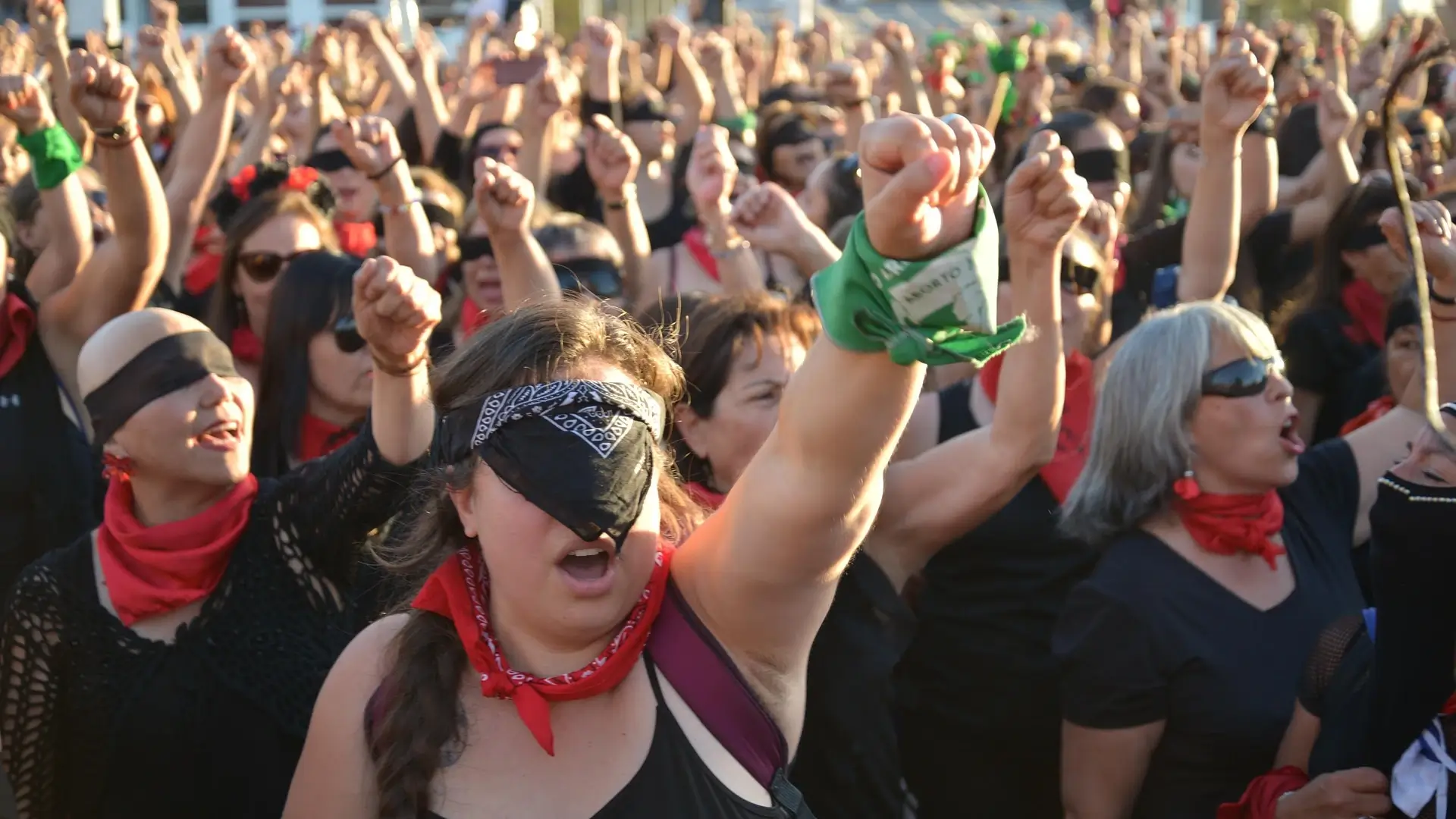
When you hear the word “feminism,” you might think about equality, rights, and freedom for all women. Feminism is about fighting against unfair treatment and helping women have control over their own lives.
But when it comes to sex workers, many feminists hold ideas that are not entirely accurate. These misconceptions can sometimes harm the very people feminism aims to support.
In this article, we want to help you understand why some feminists have false ideas about sex workers. We will explain the common misunderstandings and why it is important to listen to the voices of sex workers themselves.
This way, you can have a clearer and kinder view of an important and often misunderstood topic.

The Confusion About What Feminism Means for Sex Workers
Many people, including feminists, believe that feminism should always mean protecting women from certain jobs, especially sex work. They often assume that all sex workers are victims who need to be saved or protected. This idea comes from the belief that sex work is always dangerous or degrading.
However, this view ignores the fact that feminism is really about choice. It is about respecting women’s decisions in their lives, even if those decisions are different from what you might expect.
Some sex workers choose their jobs willingly because they believe they have control over their bodies and their work.
These workers want their rights respected, not to be seen as helpless or broken.
Understanding feminism like this is important because it shows that protecting women doesn’t always mean stopping them from working in certain ways.
It means listening to their voices and supporting their right to make informed choices.
Mistaking Sex Work for Trafficking
One big misconception many feminists have is mixing up sex work with human trafficking. Trafficking is when people are forced or tricked into working against their will. This is a terrible crime that everyone agrees should be stopped.
But sex work is not the same thing. Many sex workers enter the job voluntarily and work safely. Unfortunately, some feminists see all sex work as a form of slavery or abuse simply because it involves sex. This mistake makes it harder for sex workers who want legal rights and protection.
When you think about any job, you can find dangerous or unfair situations. For example, some people face abuse in construction or retail. But that does not mean those jobs should be banned for everyone. The same idea applies to sex work. Fighting trafficking is important, but it is wrong to treat all sex work as trafficking.
This misunderstanding leads to laws and attitudes that harm sex workers by making their work unsafe and stigmatized.
Ignoring Sex Workers’ Voices
Another major issue is that many feminists do not listen to sex workers themselves. Instead, they rely on stories from outsiders or media that focus only on negative experiences.
This approach creates a one-sided picture that does not show the full reality.
Sex workers often share different stories about their lives. Many talk about their ability to set their own hours, make money quickly, and support themselves or their families. In fact, a sex worker named Sarah explains that while she enjoys the work, the lack of respect is a serious problem.
When feminists ignore these voices, they miss important information on how sex work can be a valid and perhaps even empowering choice.
Listening to these voices is crucial if you want to understand the real challenges and benefits of sex work.
It also helps reduce stigma and shows respect for sex workers as human beings with rights and dignity.
The Harmful Results of Misconceptions
The false ideas about sex workers don’t just confuse people—these beliefs actually cause harm. When feminists push for laws that ban or heavily restrict sex work, they often do so to “help” women. But in reality, such laws can push sex workers underground, making their jobs more dangerous.
For example, if sex workers cannot work openly, they may have trouble finding safe clients or accessing health services. They may also have a harder time reporting abuse or violence. This means that misunderstanding sex work can lead to more risk, not less.
Research shows that legalizing sex work helps protect women from crime and violence, which is contrary to what some feminists believe. By seeing sex workers as victims instead of adults making choices, feminists sometimes take away their power and dignity. This is the opposite of what feminism should do—helping women feel strong and in control of their lives.

How You Can Support Sex Workers’ Rights
Now that you know why feminists often have false misconceptions about sex workers, you might wonder what you can do to help.
The best way to support sex workers is to learn more about their lives from those who actually work in the field. Read their stories and listen to their opinions without judgment.
You can also support organizations that fight for the rights and safety of sex workers. These groups work toward better laws, healthcare, and respect for sex workers’ choices.
Supporting these efforts means standing up for human rights and equality.
Remember, feminism means believing that all women deserve respect, safety, and the freedom to choose their own paths. When you think about sex work in this way, you are helping to create a world where everyone is valued for who they are. It is important to understand that discretion has always been a key part of this work, which challenges many common myths and fears.
In the end, recognizing the false misconceptions about sex workers can open your mind and heart. It allows you to see the strength and agency of women in all kinds of situations. It helps you be a better ally, not just to sex workers but to all women seeking equality and respect.